
The “Other” Grandparents: In-laws or Outlaws?
SHARE THIS POST WITH OTHERS
When you dreamed of becoming a grandparent, I doubt that sharing your grandchild with another set of grandparents was on your radar. We’re not even sure exactly what terms to use to describe that “other” set of grandparents. Are they in-laws or outlaws? Are they auxiliary, extra, or essential? (For the purposes of this blog, they are referred to as “other grandparents” or “in-laws.” They are certainly not “outlaws” as they are part of the inner circle of our grandchildren’s lives.)
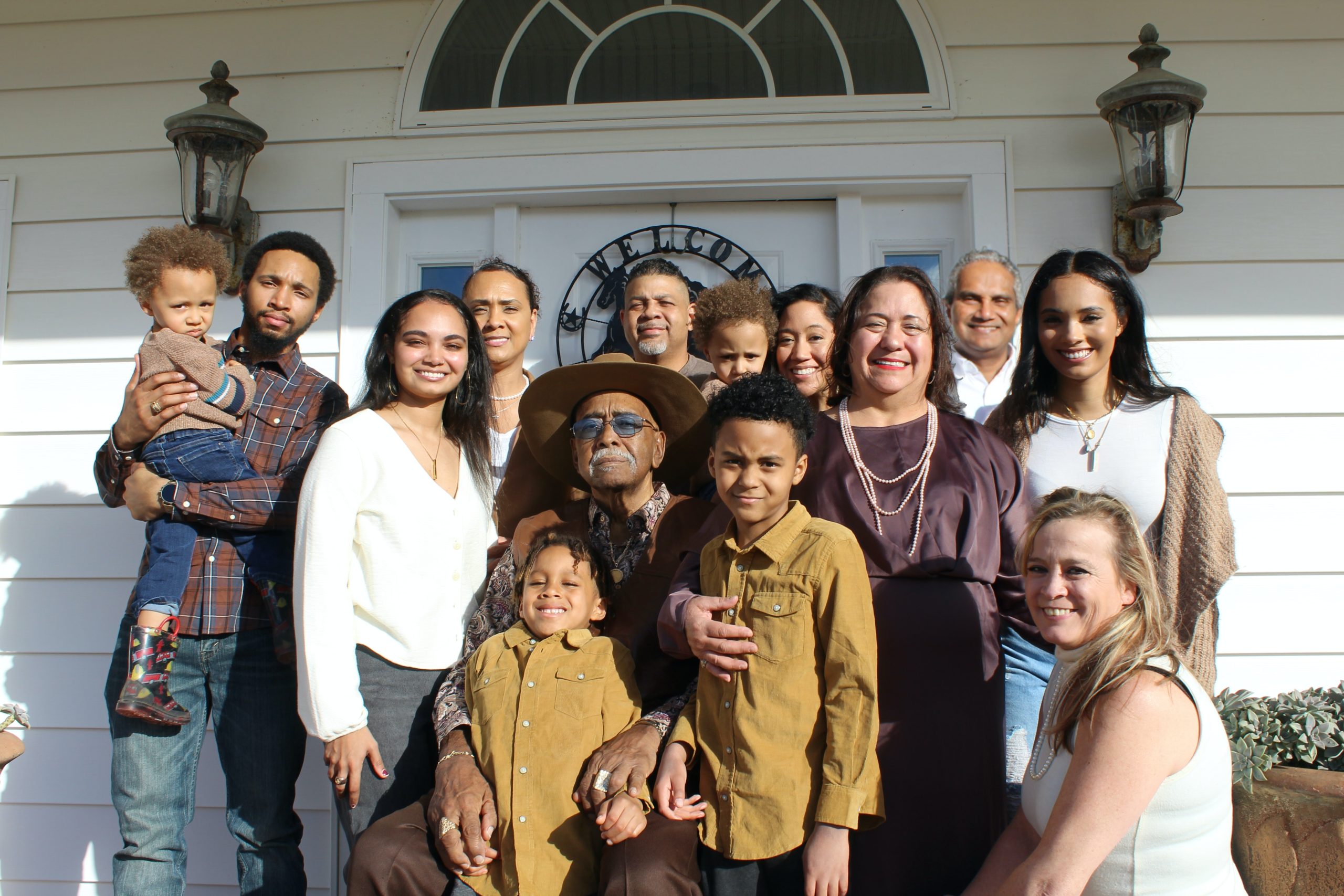
Being a grandparent of soon-to-be 14 grandchildren has also brought seven additional family groups with which to connect over the past 22 years. And, not surprisingly, none of them are exactly like us. The life situations of other grandparents may include widowed, divorced, geographically distant, retired, employed full time, healthy and active, physically impaired, world travelers, or stay-at-home types. Different religions, income levels, education, cultures, spiritual interests, and life priorities can present challenges as we share these precious grandchildren. But if we keep in mind that “it’s not about us” and focus on what is in the best interest of our grandchildren (and their parents), certain principles will guide us in our choices and attitudes.
If we keep in mind that “it’s not about us”
and focus on what is in the best interest of our grandchildren,
certain principles will guide us in our choices and attitudes.
As Christians, we value biblical truths and a growing walk with God. Our grandchildren’s other grandparents may or may not be spiritually like-minded. It is a wonderful blessing when we share spiritual values and lifestyles; this makes it easier to pass on a spiritual legacy to the grandchildren when the messages are coming from both sides of the family. Unfortunately, however, this is not always the case. Whether it is the other grandparents or the parents of our grandchildren who are not living a Christ-filled life, we can ask God to send other adult believers into the children’s lives to represent Him well. The way we handle sharing grandchildren is an opportunity to model God’s love.
The way we handle sharing grandchildren
is an opportunity to model God’s love.
If criticism or jealousy dominate our attitudes and behaviors, the in-laws are less likely to have an interest in the God we say we know and follow. When we hear stories or see photos of visits with the other side of the family, it is helpful to show interest or excitement to the children. We can look for opportunities to speak well of their other grandparents rather than to criticize. Affirmations will make it more comfortable for both our grandkids and their parents as well as build bridges with the in-laws. We do not need to be best friends with the other grandparents, but we do not want to be adversaries either.
Competition is destructive to relationships. This attitude can foster emotional distance as it makes our grandchildren feel uncomfortable and awkward in the middle (similarly to children in the midst of a divorce). If the other grandma has more spare money and is able to purchase higher-priced gifts or exciting trips, then be happy for your grandchild. Focus on what you have to offer; perhaps you have more free time or some talent to share, such as baking or doing crafts together. Children have a present-moment outlook on life and tend to love whomever they’re with at any particular time. Rivalry and jealousy are ugly attributes. Release the desire to be the best, the most loved, the most important, or the favorite grandparent. Rather, focus on being a person your grandchildren, as well as their parents, want to be around. This approach sets a healthy foundation for emotional closeness and models positive character traits.
Sometimes there may be a missing grandparent, either through death, divorce, or lack of involvement. This is an opportunity to be graciously supportive of the remaining grandparent-in-law; he or she may appreciate being included in an extended family gathering from time to time if it is appropriate. We can look for opportunities to serve them, especially at holidays, birthdays, or other occasions. One important way to affirm the other grandparents is to be willing to share our grandchildren (as well as their parents) on holidays or summer vacations. Navigating conflicting expectations is an important part of relational peace. For example, if having everyone all together is not workable, then planning two Christmas gatherings may help us avoid family landmines and can be twice the fun for the grandchildren. Romans 12:18 is the goal: “If it is possible, as far as it depends on you, live at peace with everyone.” [NASB]
The lesson that all grandparents, in-laws or not, continue to learn is: “Be patient.” Things change with each stage of life or grandparenthood. Relationships change. Complex issues and deep hurts can improve over time. A long-term commitment and personal history of being a loving grandparent with a generous spirit toward others can pay off. In today’s world, grandchildren often have more than the traditional four grandparents. This could be viewed as equaling more love and more fun. Research shows that the more loving adults in a child’s life, the better their potential outcome.
Research shows that the more loving adults in a child’s life,
the better their potential outcome.
Each grandparent will have a unique relationship with each grandchild. We can choose to be grateful for the blessing of having others in their lives and pray for those relationships to flourish. Rather than spending time wondering about the in-laws, we can focus on our assignment to love our grandkids in the ways God has gifted us with varying amounts of time, energy, money, life experiences, talents, and biblical knowledge. Then relinquish control to God as He sovereignly weaves together the design for our grandchildren’s lives and families.