The Bread That Lasts Forever
SHARE THIS POST WITH OTHERS
Bread baking is one of my favorite pastimes. It began when my mother first introduced me to the art of yeasted breadmaking. Back then, I had to climb up onto a chair to reach the counter. I loved standing there with my mother’s arms wrapped around me while she pressed my hands against the dough. It felt comfortable. I felt safe. At that time, I didn’t understand how mom was teaching me what she learned from her mother about simple life skills. However, those weekly bread baking sessions held far greater lessons that would take me decades to recognize.
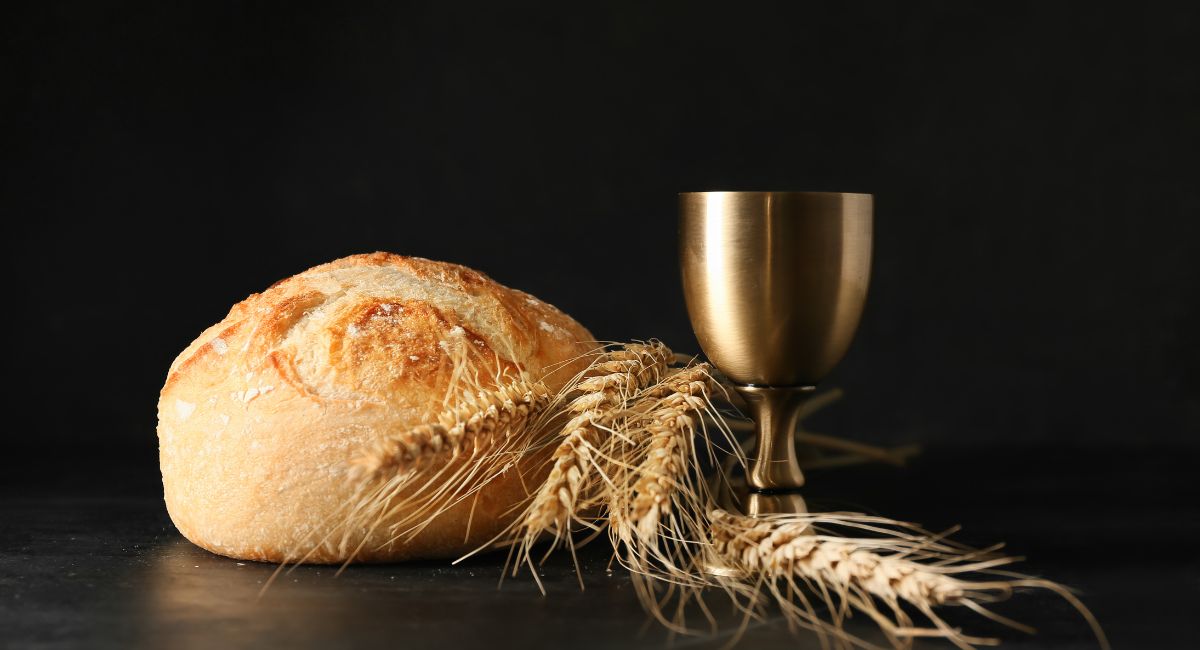
One of the things mom taught me from those early days was that spiritual nourishment comes from something profoundly greater than what we put into our mouths. She made it clear beyond doubt that the true Bread of Life is found in Jesus Christ alone. While the bread my mother and I made together sustained our bodies for a day, the bread Jesus offers has the power to sustain our souls for eternity. That’s the lesson we need to be sharing with our children and grandchildren, the one concept we hope will sustain them throughout life, even after we are gone.
“For the bread of God is the bread that comes down from heaven and gives life to the world,” (John 6:33).
Make Lasting Memories
Memories have a power of their own that transcends time. In my memory, I envision myself sliding a chair to the kitchen counter the moment my mother started gathering her bread baking supplies. It was to me a time when we communicated love without using words.
These days, as I knead the same kind of bread my mother taught me to make, I praise God for bringing me into a family that was bonded together with love, and for the deep Christian faith they instilled into our family by example.
Have you introduced your grandchildren to the art of baking bread, or for that matter, any other type of food preparation? It seems to be a universal truth that children like to spend time in the kitchen learning to cook and bake. Kneading a loaf of bread involves physical exercise that leaves the mind open to thoughts in much the same way that a workout at the gym is an activity that allows a person’s mind freedom to ponder ideas.
As I press in to knead a dough into a soft, pliable mound, my thoughts meander through my childhood memories of the people who raised me. At times, my mind sorts through plans for my day. And often, I find myself uttering urgent prayer supplications on behalf of friends.
With grandchildren, this is an opportune time to teach them songs of praise, recite Bible verses, or talk about the love Jesus demonstrated through His life, death, and resurrection. Your conversation may easily flow into the times God has guided you through difficult situations, or to prayer for challenges your grandchild is now facing. Allow the Spirit to faithfully guide your words.
Be Patient
After I have kneaded the dough, while I am waiting for the yeast to permeate it entirely, I think about the many times God has called me to wait upon His good timing and direction for something I might be anxiously anticipating. Reflecting back, it is clear to see how He held back his hand to answer my prayers until the most perfect moment, and mostly in ways I could never have conceived.
Share your testimony with grandchildren about situations where He has done this very thing. Testimonies are real. They are your memories to use as testaments to God’s faithfulness.
“Start children off on the way they should go, and even when they are old they will not turn from it,” (Proverbs 22:6).
Heed God’s Warnings
Sometimes bread dough fails to rise as intended. Water that is too hot will kill yeast before it has a chance to grow. Yeast that is tainted will infuse the entire batch of dough. When these conditions occur, the only wise thing to do is toss the entire batch of dough into the trash. The same applies to false teaching about God’s Word.
“ ‘How is it you don’t understand that I was not talking to you about bread? But be on your guard against the yeast of the Pharisees and Sadducees.” ‘ Then they understood that he was not telling them to guard against the yeast used in bread, but against the teaching of the Pharisees and Sadducees,” (Matthew 16:11-12).
An important aspect of training grandchildren to honor the Lord is to warn them about false teaching. Teach them to discern what is true or false based on what is in the Bible. People with selfish intentions often make statements that sound pretty but are filled with lies and deceptions to support what is in their greedy hearts. Remind grandchildren to rely on God’s Word for truth. Show them how to use a Study Bible for cross references and explanations of passages that may be confusing or difficult to understand. In doing so, you are showing them how to make wise decisions rather than accepting anything they hear without question.
“Be careful,” Jesus said to them. “Be on your guard against the yeast of the Pharisees and Sadducees.” (Matthew 16:6).
Grow in Knowledge and Understanding Together
In recent years, I have compiled a collection of favorite bread recipes. The recipe that my mother baked is still a favorite of mine. Others came from cookbooks, magazines, or online sources. I developed variations on most of them through experimentation with added ingredients such as herbs.
In the same way that adding new flavors and textures to breads opens new flavors, every rereading of familiar Bible accounts increases our understanding of God’s Word. The more we read and study what God has to say, the more sophisticated our understanding becomes. Share what you are learning with grandchildren. Be willing to discuss the nuances of terms and stories in the various biblical accounts with your grandchildren. Together you can explore fresh insights that help both of you grow in the knowledge and understanding of who our Lord Jesus is.
“Does not the ear test words as the tongue tastes food? Is not wisdom found among the aged? Does not long life bring understanding? To God belong wisdom and power; counsel and understanding are his,” (Job 12:11-13).
Various books of the Bible were written over a span of centuries in Hebrew, Aramaic, or Greek languages. Translations to other languages, such as English, may not fully or accurately convey their original meanings. Train yourself and your grandchildren to recognize linguistic differences between people who lived in foreign lands 2,000 or more years ago and our current culture. Consider how those differences influence what and how events are being described.
The one thing that has not changed is the sin condition of our hearts. As you study together, look for messaging that addresses this reality. What was recorded in the Bible about the good and evil in human hearts throughout the ages can be applied to life today.
Above all else, remind your grandchildren that we have a Redeemer who loves us all beyond anything we can imagine. How awesome is the One who left His throne in heaven to be born into this world as a helpless child, walked among us for some 33 years, suffered and died as propitiation for our sins, and rose again in triumph to return to His rightful place in heaven. His name is Jesus. Say His name often. Remember the words He said about himself while in the presence of the apostles.
“I am the living bread that came down from heaven. Whoever eats this bread will live forever. This bread is my flesh, which I will give for the life of the world.” (John 6:51).