
Removing the Grave Clothes
SHARE THIS POST WITH OTHERS
A few months ago, I accepted an assignment from our church to write a devotion about the raising of Lazarus. Writing was a struggle initially because this is such a familiar story. We know that as a result of Jesus’ delay, Lazarus had been dead for four days before he arrived. And despite the stench and Jewish belief that Lazarus’ soul had already left his body, our Lord directed the mourners, “Take away the stone.” We’ve also noted the authority in Jesus’ command, “Lazarus, come out,” and tried to imagine what it was like for Mary and Martha’s brother emerging from the tomb, dazed and wearing his grave clothes. His feet bound by linen strips; his face covered in cloth. What did I have to offer?
I prayerfully pondered John 11:1-44, reading it repeatedly. Pouring into my favorite podcasts, commentaries and Bible studies, I searched for clues that would point me in the direction of God’s will for this devotion. Slowly, ever so slowly, two words began to resonate within my heart. Grave clothes.
If Jesus came that we may have life and have it abundantly (John 10:10), why do so many of us fail to enjoy a joy-filled, abundant life? Is it possible that many of us still wearing bits and pieces of our grave clothes?
A.W. Tozier writes, “The devil makes it his business to keep Christians in bondage, bound and gagged, actually imprisoned by their own grave clothes.”
Smelly and rotting, grave clothes are the unhealed remnants of our old sinful nature. They are the bad habits, damaged self-images, crippling fear, rebellious attitudes, and insatiable appetites and addictions, which keep us from enjoying the freedom and victory Christ won for us on the cross. Scripture refers to these as strongholds.
A stronghold in biblical times was a fortress or citadel, which offered protection from the enemy because of its limited access. With regards to spiritual battles, the Psalmist refers to the Lord as our stronghold or fortress of protection. “But the Lord has become my stronghold, and my God the rock of my refuge” (Psalm 94:22).
There is another type of stronghold that isn’t good for our physical, emotional or spiritual well-being. This is the stronghold to which Paul refers in his letter to the Corinthians. “For though we walk in the flesh, we are not waging war according to the flesh. For the weapons of our warfare are not of the flesh but have divine power to destroy strongholds” (2 Corinthians 10:3-4). These are the grave clothes, those remnants of our sinful natures, to which A. W. Tozier is referring.
Because of limited access to the areas of our hearts and minds where strongholds exist, few, if any of us, can successfully battle a stronghold without the healing power of Christ Jesus. The healing process begins with acknowledging the stronghold that exists within us or someone we love and submitting it to the Lord in persistent prayer.
Rest assured, the victory against strongholds has been won. Our Lord came “to bind up the brokenhearted, to proclaim liberty to the captives, and the opening of the prison to those who are bound” (Isaiah 61:1). Isaiah’s words are as true today as they were when Jesus commanded Lazarus to come forth from the tomb. Our Lord calls us away from the stumbling blocks that prevent us from enjoying an abundant life of freedom, and he provides the power to make this possible.
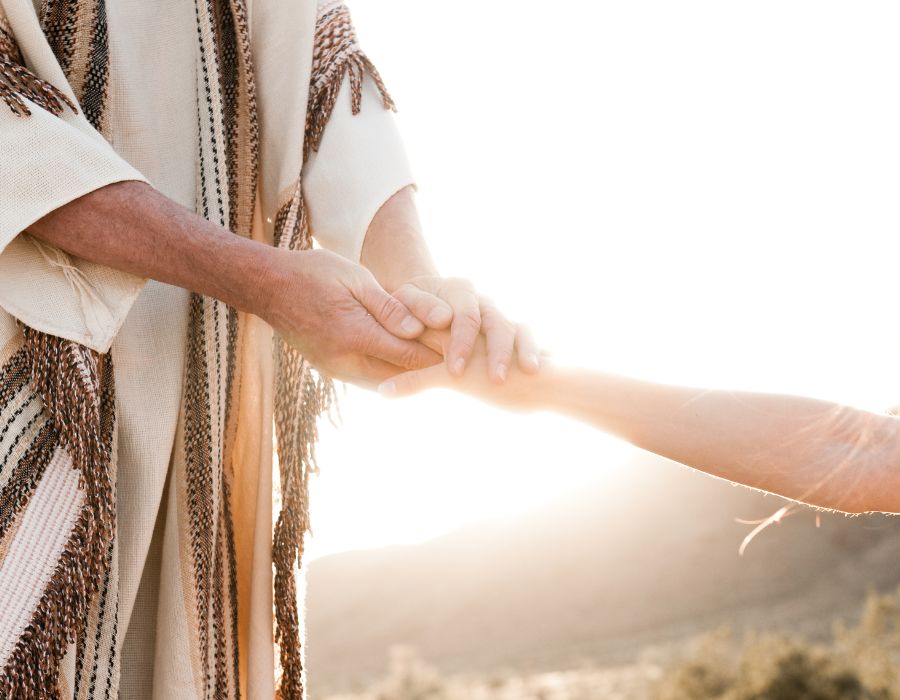
I want to point out one more thing for you to consider. Did you notice that Lazarus didn’t remove his own grave clothes? Jesus directed the family and friends gathered around the tomb to assist. In addition to Christ’s healing power, we need the prayers and support of others to help us in our battle against strongholds. It’s not a one-way street, either. We need to help others in their battles, as well.
Jesus came that we would have life and have it abundantly. Isn’t it time to remove our grave clothes?